Most advice about gray hair stops at the strand: how to cover it, how to brighten it, how to tame the texture. That skips the more interesting part. By the time a hair turns gray, the follicle producing it has already gone through several changes, and the skin around that follicle has changed too. Caring for aging hair well means paying attention to the scalp it grows from.
What's actually happening at the follicle
Pigment comes from melanocytes, specialized cells that sit near the base of each follicle and load color into the hair as it forms. Over time those cells become less active, and eventually some follicles stop producing pigment altogether. That's why graying often shows up strand by strand rather than all at once — each follicle keeps its own schedule.
Pigment loss usually travels with other shifts. The hair shaft tends to grow slightly thinner or, in some people, coarser and more wiry. Growth phases shorten, so hairs don't reach the length they once did. And the cuticle — the outer layer that lies flat on a healthy strand — often sits a little more open, which is part of why gray hair can feel rough and soak up water, chlorine, and product so readily.
The scalp gets drier, not oilier
The most practical change for daily care is sebum. Oil production tends to taper off with age, and a scalp that once needed washing every day may now feel tight, itchy, or flaky by comparison. Cell turnover slows as well, so dead skin lingers longer at the surface instead of shedding cleanly.
That combination — less oil, slower turnover — creates a specific kind of discomfort. It isn't the heavy, greasy buildup of a younger oily scalp. It's a dry, slightly papery tightness, sometimes with small flakes that people mistake for dandruff and treat with harsh anti-dandruff shampoo, which makes the dryness worse.
Where aging hair is most vulnerable
A few points deserve extra attention as hair density changes:
- The part line and crown, where thinning hair exposes scalp skin to direct sun. San Diego sun reaches the scalp year round, and sun-damaged scalp skin is not a good environment for follicles.
- Chemical services. Lightener and permanent color sit on a scalp with less oil to buffer them, so sensitivity and irritation show up more easily than they used to.
- Heat and tension. Fine, aging hair breaks more readily, and tight styling at the hairline compounds thinning that's already happening.
- Hard water and chlorine. Porous gray hair holds minerals, which contributes to yellowing and a stiff, straw-like feel.
A routine that fits an older scalp
The goal shifts from controlling oil to preserving comfort and circulation. A few adjustments make most of the difference:
- Wash less often, but wash thoroughly when you do. Two gentle passes of a sulfate-free shampoo cleans better than one aggressive one and leaves the skin less stripped.
- Use lukewarm water. Hot water pulls moisture from a scalp that has little to spare.
- Move conditioner and masks toward the mid-lengths and ends, where porous gray hair needs them most, and keep heavy silicone products off the scalp itself.
- Build in daily scalp massage — two or three minutes with the pads of your fingers while your shampoo sits, or dry before bed. It encourages blood flow to follicles and loosens the tension many people carry along the hairline and temples.
- Wear a hat or use scalp sunscreen on exposed parts.
How a head spa session supports aging hair
A head spa treatment is useful here precisely because it separates cleansing from stripping. The scalp gets examined under magnification, so you can see whether what you're dealing with is dryness, buildup, or irritation — information that changes what products belong in your routine. The cleanse itself uses warm water and sustained, slow manual work rather than a quick thirty-second lather, which lifts the buildup that accumulates on a low-sebum scalp without the detergent load that leaves skin tight afterward.
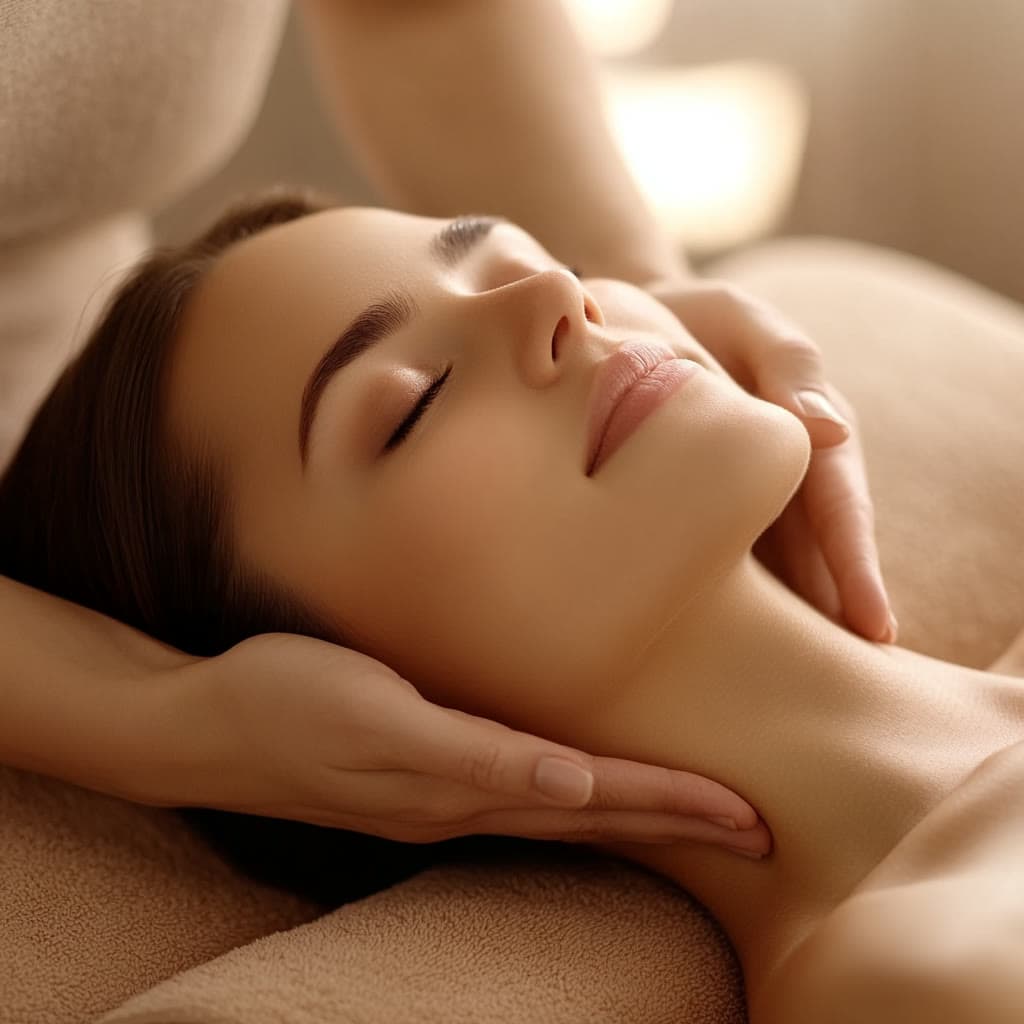
The extended massage is the other half. Guests commonly describe leaving with less tightness across the forehead and neck, and a scalp that feels looser and more comfortable for days. No treatment restores pigment or reverses thinning, and anyone who promises that isn't being straight with you. What good scalp care does is keep the environment around each follicle clean, hydrated, and well-circulated, so the hair you are growing has the best conditions available to it.
Gray hair has a reputation for being difficult. Most of the time, it's simply hair that has outgrown the routine built for a younger scalp. Adjust the routine, and it becomes a lot easier to live with.
Ready to give your scalp the attention it deserves?
Book a treatment at Umi Head Spa and feel the difference a proper scalp session makes.
Book Now